RUNÖ BAND
RUNÖ BAND
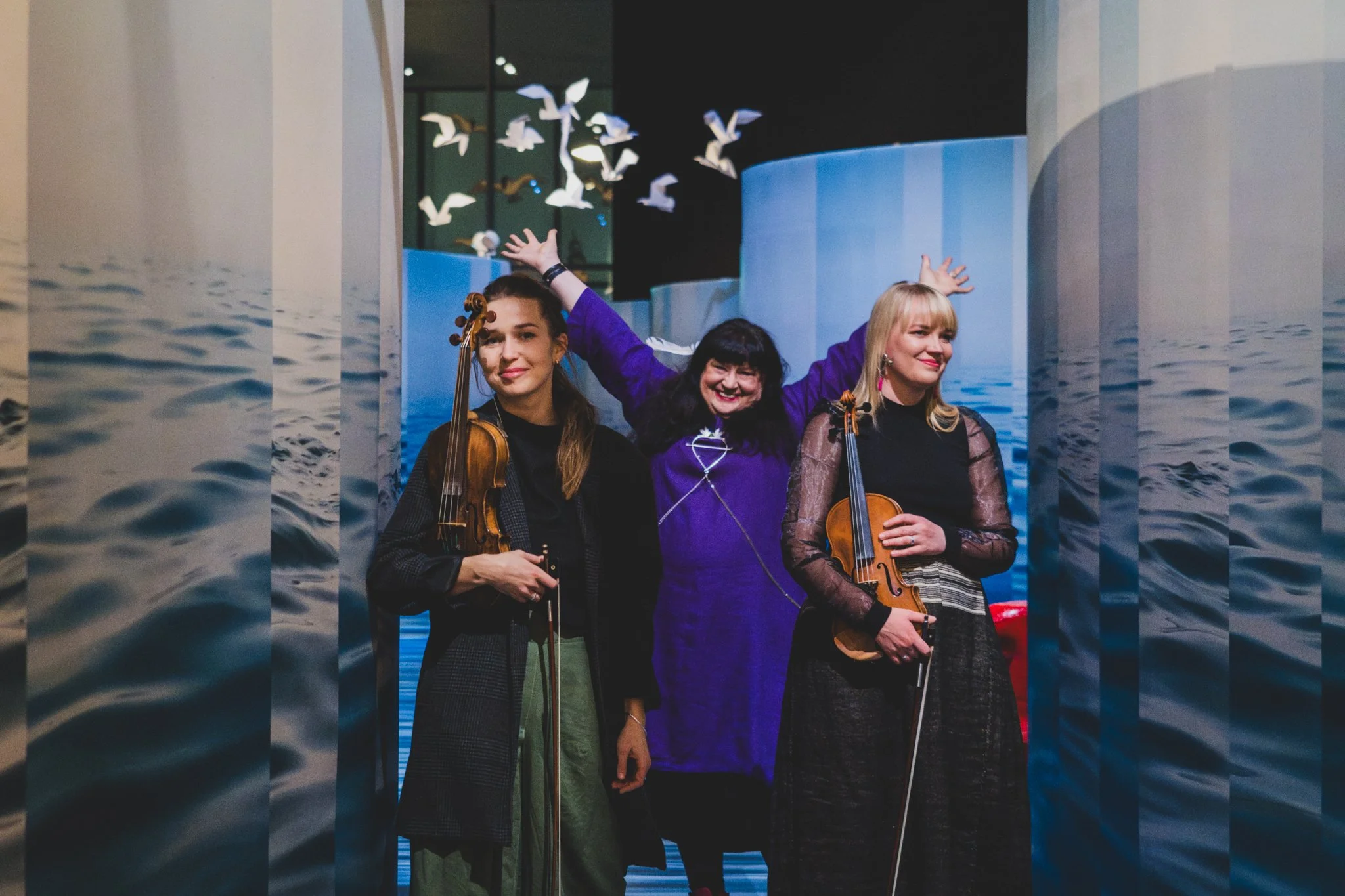
RUNÖ first started their journey together as researchers and educators.
By a stroke of fate, an album (released by Caprice Music) previously unknown to the wider public — containing ethnomusicological recordings made on Ruhnu Island in 1938 — found its way to the band. It sparked great curiosity and set in motion more than a decade of dialogue with the descendants of Ruhnu’s former inhabitants as well as with those living on the island today.
Since 2014, the collective has also organized the Ruhnu Fiddle Festival— an annual summer gathering that welcomes learners of all ages and skill levels to explore the island’s musical heritage and stories.
By 2019, the need for a contemporary interpretation of Ruhnu’s distinctive fiddle tradition had become clear, leading to the release of their debut album, “The Many Points of Ruhnu”.
Recognizing the universal human story of connection to one’s roots and homeland, the second album, Echoes of the Sea, celebrates the importance of remembering and retelling our shared histories — especially those that might otherwise be lost to the passage of time and the scars of war.
Karoliina Kreintaal – fiddle & vocals
Lee Taul – fiddle & vocals
Kairi Leivo – storytelling & vocals
RUNÖ ISLAND
RUNÖ ISLAND
11.9 square kilometres of land surrounded by endless sea
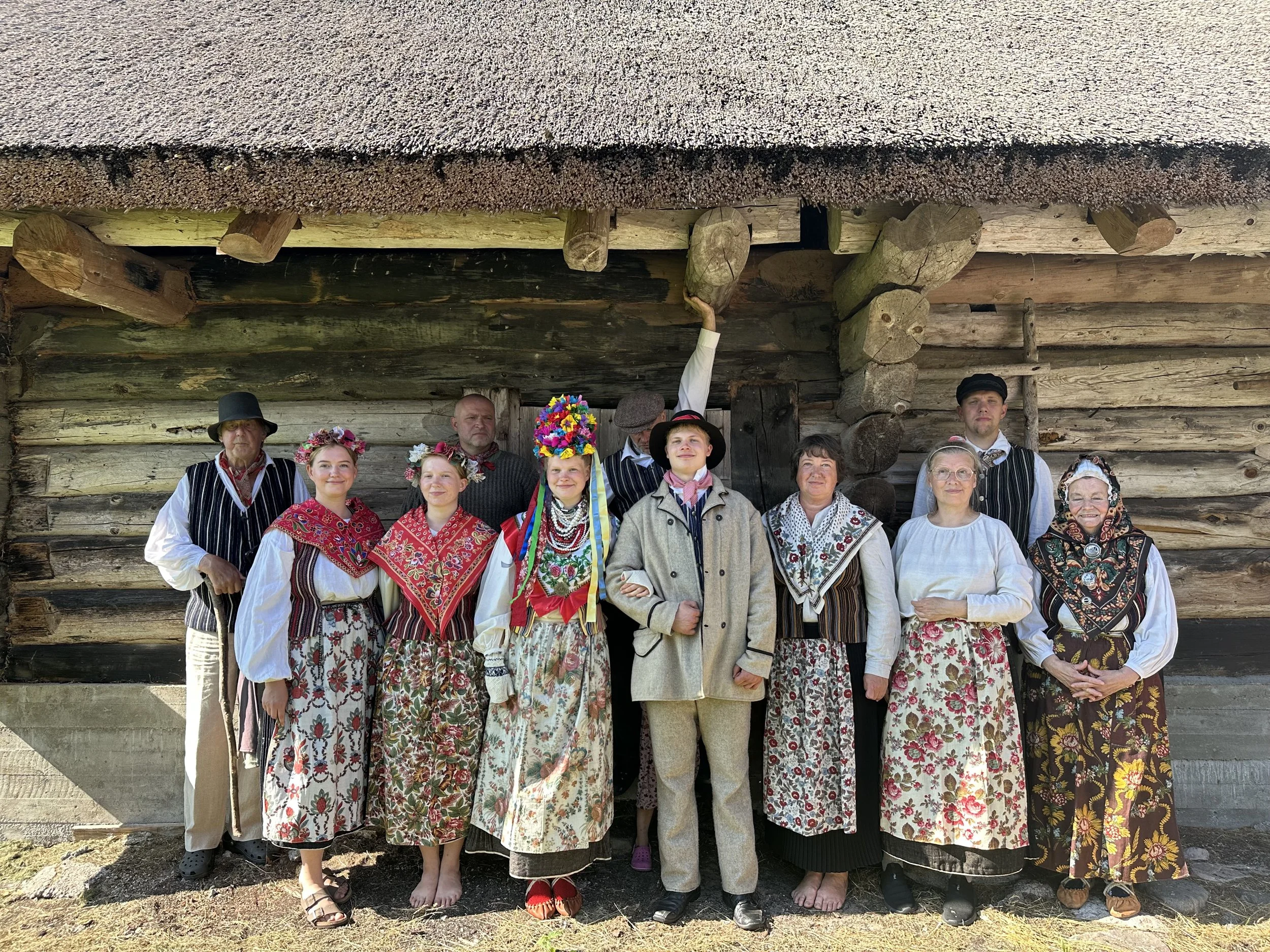
Runö, or Ruhnu in Estonian, rose from the Baltic Sea around 10 000 years ago. It took shape from sandy seabeds that formed the dunes, forests, and coastal meadows seen today. For centuries, it was home to coastal Swedes who lived in isolation, preserving their language, customs, and faith. Known in Swedish as Runö, Ruhnu has always been a world of its own.
In 1944, for the first time in centuries, the island fell silent — farms abandoned, houses empty, churches without their congregation. During the Soviet era, Ruhnu became a restricted border zone, accessible only with special permission. The island was later repopulated by Estonian settlers, many from neighbouring islands. The Soviets built military facilities, including a radar station and small airfield, and though life was isolated, a resilient community sustained itself through fishing, forestry, and farming.
After Estonia regained independence in 1991, properties were returned to families with pre-Soviet heritage claims, many living in Sweden, while newer residents also remained. The old Swedish houses and churches were restored, and Ruhnu’s layered history began to draw visitors, researchers, and artists.
Today, about 58 people live on Ruhnu year-round, making it Estonia’s smallest municipality by population. The close-knit community keeps the island alive with its school, two shops, two churches, a museum, a small harbour, and an airfield — continuing the story of an island that refuses to fade from memory.
Ruhnu Fiddle Camp and Festival
Looking forward to seeing you in the 2027 edition!
More info on the festival dates TBA!